

Medicines are substances designed to prevent, diagnose, relieve, or treat health conditions. Although medications can have powerful effects, they work through specific biological mechanisms rather than simply “fixing” the body.
How Medicines Reach Their Targets
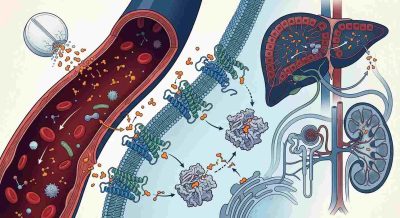 After a medicine is taken, the body must absorb and distribute it. Depending on the medication and route of administration, it may enter the bloodstream through the digestive system, lungs, skin, or directly through an injection.
The medicine then travels to tissues where it interacts with particular biological targets.
Receptors and Enzymes
Many medicines work by interacting with receptors, enzymes, ion channels, or other molecules. Some medications activate a receptor, while others block its activity. For example, certain medicines reduce pain by influencing pathways involved in pain signaling. Other medications lower blood pressure by affecting blood vessels, fluid balance, or signaling systems that regulate circulation.
The Essential Role of Dosages
A medicine must reach an appropriate concentration to produce its intended effect. Too little may not provide sufficient benefit, while too much can increase the risk of adverse effects. This is why medications should generally be taken according to instructions from a qualified healthcare professional or the official product directions.
The Physiological Processes of Medicines
The liver and kidneys are important in medication processing and elimination. Differences in age, kidney function, liver function, genetics, and other medications can affect how a drug behaves in the body. This is one reason medication decisions should be individualized.
Drug Interactions
Some medicines can interact with other medicines, supplements, foods, or substances. These interactions may change how a drug works or increase side effects. People should inform healthcare professionals about the medicines and supplements they are taking.
Conclusion
Medicines work through complex interactions between chemicals and biological systems. Understanding that process highlights why correct dosing, appropriate medical guidance, and awareness of potential interactions are important parts of safe medication use.