

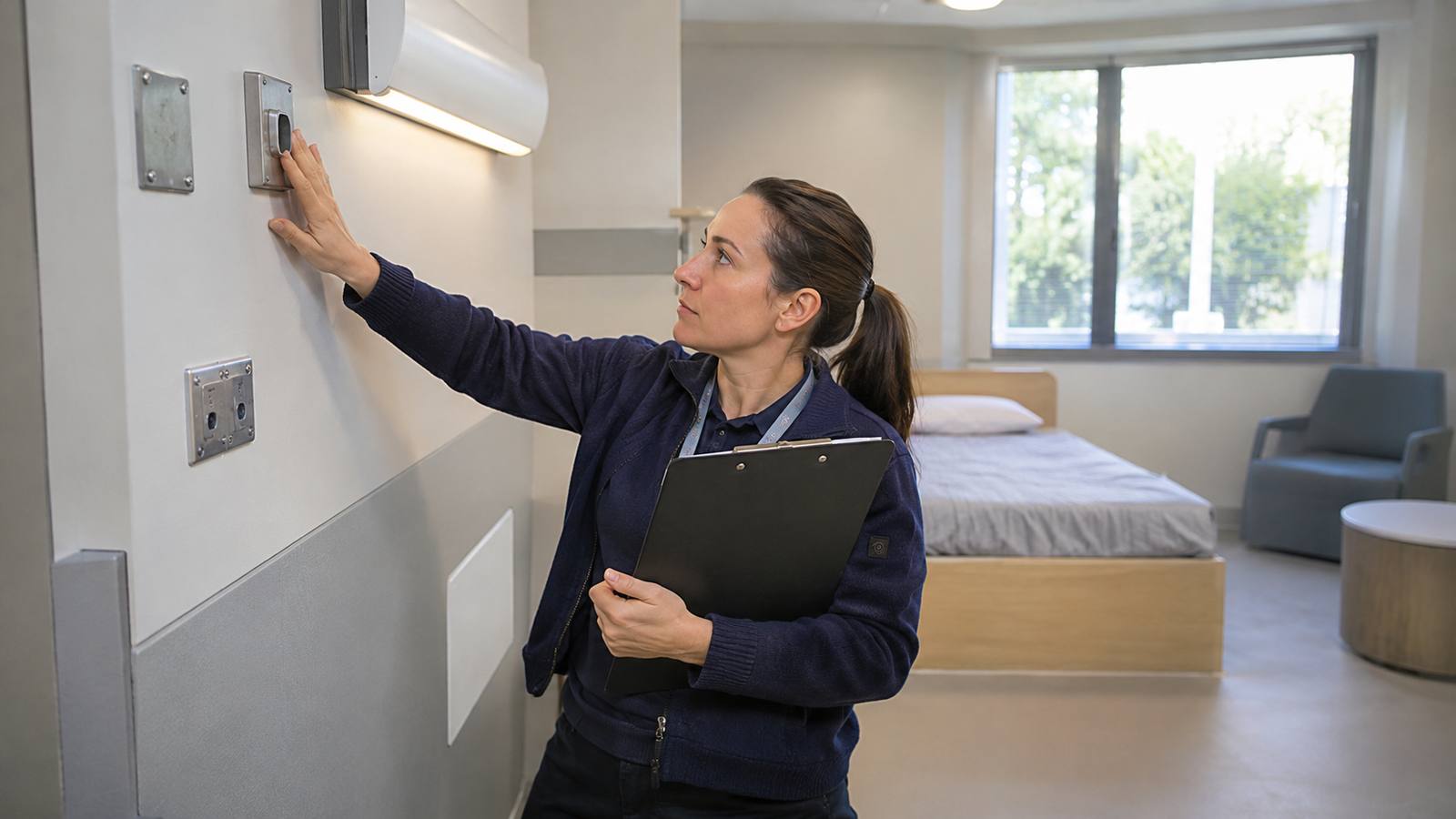
 Inpatient psychiatric treatment requires careful attention to medical care, patient behavior, and environmental safety. Hospitals must provide spaces where patients can receive treatment while minimizing preventable injuries. People experiencing acute psychological distress, severe agitation, or suicidal thoughts may need additional safeguards. These precautions help clinical teams manage risks without unnecessarily restricting daily activities, comfort, or personal dignity.
Environmental safety involves examining furniture, fixtures, equipment, and room layouts. Even ordinary televisions may require protective housing in certain psychiatric settings. Commercial products such as PROENC TV enclosures are designed to protect screens and reduce access to potentially hazardous components. However, selecting suitable equipment is only one part of a broader safety strategy. Hospitals must also consider patient needs, staff supervision, and ongoing maintenance.
Why Environmental Risks Matter in Psychiatric Care
Psychiatric hospitals accommodate patients with different diagnoses, symptoms, and levels of psychological distress. Some individuals may experience confusion, impulsive behavior, or difficulties managing emotional responses. These conditions can increase vulnerability to hazards that might receive less attention in other healthcare environments.
The Joint Commission identifies environmental risk assessment as an important element of suicide prevention in psychiatric hospitals. Its guidance emphasizes identifying physical features that could contribute to self-harm and taking appropriate steps to reduce those risks.
Research published in General Hospital Psychiatry also examined environmental hazards associated with inpatient suicide events in Veterans Affairs hospitals. The findings highlighted the importance of addressing accessible hazards through systematic safety reviews.
These concerns explain why psychiatric facility design often requires more specialized planning than standard hospital accommodation.
What Environmental Hazards Require Attention?
Environmental risks can appear throughout patient bedrooms, bathrooms, recreational areas, and shared treatment spaces. Recognizing common hazard categories helps hospitals establish consistent inspection procedures.
Unsecured Fixtures and Furniture
Loose furniture, removable fittings, and poorly secured equipment may create injury risks. Facilities teams should examine how furnishings are installed and whether their condition remains suitable for the patient population.
Accessible Electrical Components
Exposed wiring, damaged outlets, and accessible electronic components may present electrical or tampering hazards. Protective covers and appropriate installation methods can help reduce these concerns.
Breakable Materials
Glass, mirrors, and certain decorative fixtures may produce sharp fragments when damaged. Hospitals can consider impact-resistant alternatives where clinical risk assessments indicate a need.
Potential Ligature Attachment Points
Some structural features may create opportunities for ligature attachment. The Centers for Medicare & Medicaid Services (CMS) emphasizes assessing these risks in relation to each patient’s clinical needs and the surrounding care environment.
Recognizing these hazards provides the foundation for practical prevention strategies.
Five Steps for Managing Environmental Risks
1. Conduct Room-by-Room Safety Assessments
The first step is examining every area patients can access. Assessments should cover bedrooms, bathrooms, corridors, activity rooms, and treatment areas.
The Veterans Health Administration developed its Mental Health Environment of Care Checklist to help multidisciplinary teams identify environmental hazards. Research examining the checklist’s initial implementation found that 113 facilities identified and rated 7,642 hazards.
Hospitals can use structured inspections to record concerns, assign corrective actions, and verify completed improvements. Nursing staff, clinical leaders, maintenance personnel, and safety specialists should contribute their observations.
2. Match Risk Levels to Clinical Activities
Environmental precautions should reflect how each space is used and who receives treatment there. A closely supervised therapy room may require different controls from an inpatient bedroom.
The CMS explains that hospitals are not expected to maintain identical environmental arrangements throughout their facilities. Instead, safeguards should correspond to individual medical and psychiatric needs.
Clinical teams should therefore consider patient assessments, observation requirements, room accessibility, and treatment activities when determining priorities.
3. Select Appropriate Protective Fixtures and Equipment
Once hazards are identified, facilities teams can evaluate practical modifications. These may include tamper-resistant hardware, secured electrical fittings, impact-resistant surfaces, and protective television housings.
Equipment selection should consider installation requirements, cleaning procedures, durability, and accessibility for maintenance. Manufacturers’ specifications should be reviewed alongside applicable safety standards.
The American Society for Health Care Engineering provides patient safety resources that help healthcare organizations identify environmental hazards and consider appropriate protective measures.
However, protective products should never be treated as guarantees against injury. Their effectiveness depends on correct installation, suitable placement, and continued inspection.
4. Establish Maintenance and Inspection Schedules
Safety improvements require ongoing attention after installation. Equipment can deteriorate, fixtures may loosen, and ordinary repairs can introduce new hazards.
Hospitals should establish inspection schedules based on equipment condition, manufacturer recommendations, and identified risk levels. Staff also need clear procedures for reporting damaged items.
The Veterans Health Administration requires covered VA facilities to conduct formal environmental checklist inspections twice annually. Individual hospitals may need additional checks depending on their circumstances.
Maintenance records should document reported problems, corrective work, and follow-up verification. This creates accountability and helps prevent recurring issues.
5. Connect Environmental Precautions With Clinical Monitoring
Physical safeguards cannot replace professional observation or individualized treatment. Patients’ conditions may change during hospitalization, requiring adjustments to supervision and access to particular spaces.
The Joint Commission recognizes that organizations must establish monitoring procedures for patients at high risk of suicide, even within environments designed to reduce ligature hazards.
Communication between clinical and facilities teams is therefore essential. Nurses and therapists can report emerging concerns, while maintenance personnel can explain equipment limitations or required repairs.
Regular interdisciplinary meetings also help ensure that environmental decisions remain consistent with treatment plans and patient rights.
Building Safer Environments Without Compromising Care
Psychiatric environmental safety requires a balanced approach. Excessively restrictive surroundings may affect comfort and therapeutic engagement, while overlooked hazards can expose vulnerable patients to preventable harm.
Effective risk management brings together physical design, reliable maintenance, clinical judgment, and ongoing patient assessment. Environmental precautions should also complement evidence-based medical treatment.
Advances in responsible pharmaceutical research contribute to the development and evaluation of treatments that healthcare professionals may consider when managing psychiatric conditions. As healthcare practices and equipment evolve, hospitals should continue reviewing their environments and adapting safeguards to changing patient needs.
The goal is a treatment setting that supports recovery while protecting patients, staff, and visitors. Environmental precautions work best when they strengthen comprehensive psychiatric care rather than substitute for it.